A project folder of focus groups, read and cited in one import.
Connect Google Drive in the Library, pick the project folder, and every session recording inside it becomes its own timestamped transcript in a matching Library folder.
247,995 minutes transcribed across 6,324 recordings · packs from $6, any length · ~2 min per hour of audio · 99+ languages · private, never used for training
- 247,995 mintranscribed across 6,324 recordings since April 2026, every field
- ~2 minper hour of audio, measured on production
- 99+languages, auto-detected
At a glance
- Field
- Focus groups in Google Drive
- Transcribed here
- 247,995 minutes across 6,324 recordings site-wide since April 2026 (measured 12 Oct 2026); this field is not tracked separately yet
- Turnaround
- About 2 minutes per hour of audio; most files finish in under a minute
- Input
- Files and whole folders from your Google Drive (Library → Add content → Google Drive), a public Google Drive file link, or any audio or video file; up to 10 hours or 5 GB per file
- Output
- A brief with chapters, the names, numbers and dates that were said, and the questions it answers; word timestamps and AI chat. Export TXT, SRT, VTT, DOCX or JSON
- Languages
- 99+, with automatic detection
- Privacy
- Private servers, no third-party AI, never used for training, delete any time
- Price
- Packs from $6 for 500 minutes, credits never expire; the summary of any recording is free to read
- Support
- contact@whipscribe.com or the chat on every page
Quick answers
The five questions people ask before the first upload.
- What does WhipScribe do for focus group recordings?
- Connect Google Drive in the Library, pick the project folder, and every session recording inside it becomes its own timestamped transcript in a matching Library folder.
- How much does it cost?
- The summary of any recording is free to read; a pack from $6 (500 minutes) opens the full transcript. Credit packs: $6 = 500 min · $8 = 1,000 min · $12 = 2,000 min · $24 = 5,000 min; credits never expire and there is no seat fee. Workspace is $19 a month for unlimited transcription (300-hour fair-use mark; 100 GB of storage included, then $3 per extra 100 GB a month).
- How long does a transcript take?
- A one-hour recording is usually ready in about two minutes; most files finish in under a minute. Files up to 10 hours or 5 GB per file.
- Is it private?
- Yes. Transcribed on our own servers; audio is never sent to a third-party AI service. Never used to train, fine-tune or evaluate any model. Delete a recording and its transcript at any time; account deletion removes every record tied to the email.
- Which languages and files does it accept?
- 99+ languages, detected automatically; the transcript stays in the recording's language. Input: any audio or video file (MP3, MP4, M4A, WAV, FLAC, OGG, WEBM, MOV, GSM and more), a YouTube, podcast, RSS, Google Drive, Twitch or Kick link, or a microphone recording. Export: TXT, DOCX, SRT, VTT, JSON.
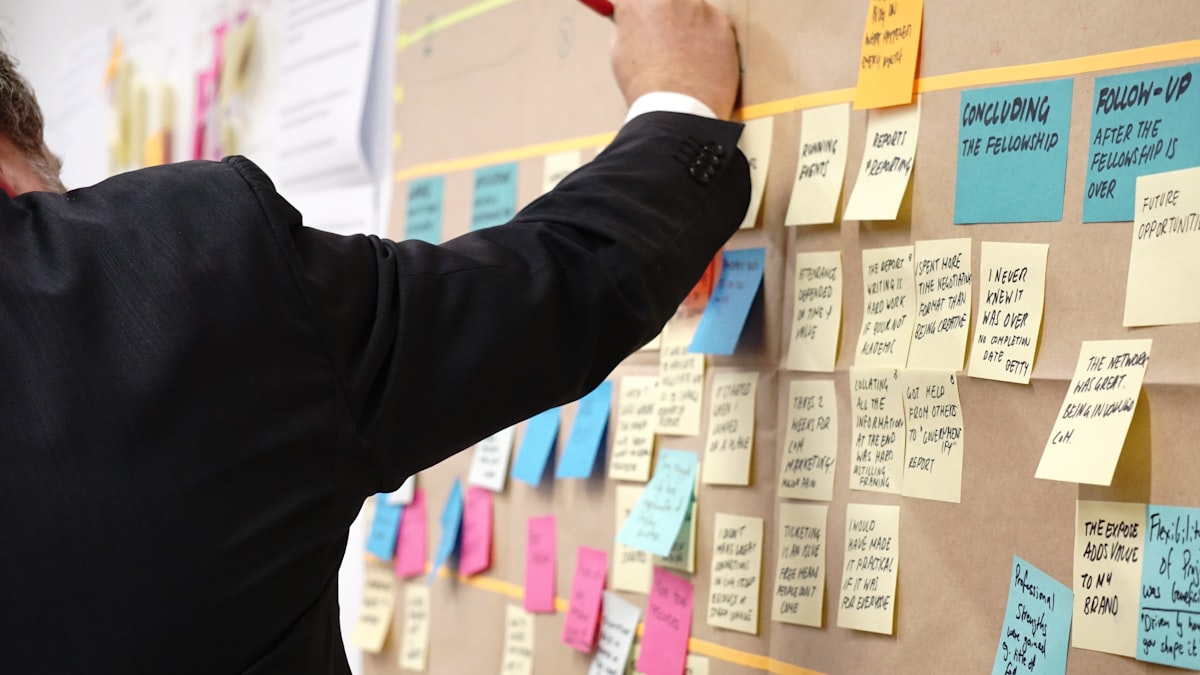
Built for Focus groups in Google Drive
What matters when transcribing focus group recordings?
The project folder goes in whole
In the Library choose Add content → Google Drive, open the project folder and use it whole. Subfolders such as Wave 1 / Group A come along by default, and the review step counts the audio and video files, the folders they sit in and the total size before anything starts. Discussion guides, screener PDFs and stimulus images in the same folder are left alone.
Long, crowded sessions
A two- to four-hour group with eight voices, a moderator and a backroom is one file and one job. Each session comes back as one transcript with timestamps on every line, chapters by topic, and speakers named in the summary, key quotes and chapters, so you can find the moment a participant pushed back without scrubbing.
Themes with a citation, not a hunch
Ask this folder takes a plain-words question, such as what participants said about price, and answers from the recordings that mention it, up to three, each cited by recording and moment. It reads the folder you ask, not its subfolders, so ask each wave's folder in turn or keep a study's sessions at one level.
Hand the transcripts back to the team
When the import finishes it can offer to send the transcripts back to Drive. The folder's ⋯ menu also has Export to Google Drive…, which creates a new Drive folder with a TXT and an SRT for every finished session. DOCX and JSON are a download from each recording.
How it works
How do I transcribe a focus group recording?
Connect Google Drive
In the Library, Add content → Google Drive. Google asks you to allow read-only access to your Drive.
Pick files or folders
Tick single files or whole folders, subfolders included. Run it again later and the files already done are skipped.
Read, then send it back
Each file gets a transcript and the Intelligence brief. Save to Drive writes TXT and SRT into a new Drive folder.
Intelligence
What comes back from a focus group recording?
Group 3, Wave 2 — meal-kit subscription, lapsed users
Brief overview
Lapsed subscribers left over packaging waste and rigid delivery days, not price; most would return for a skip-a-week option.
- Packaging comes up unprompted in the warm-up at 08:40 and returns in every later section of the guide.
- The price probe at 52:15 draws little reaction; the delivery-day probe at 1:12:30 draws the longest exchange of the session.
- Five of the eight participants say at 1:48:05 they would resubscribe with a skip-a-week button.
Questions this recording answers
- Was price the main reason people cancelled?
- No. Price was raised once and not pursued; packaging and fixed delivery days took most of the discussion.
- Which concept tested best?
- Concept board B, the skip-a-week option, at 1:48:05.
Chapters
- Moderator intro and warm-up
- Why people cancelled
- Delivery days and flexibility
- Concept test: skip-a-week
Names, numbers and dates
Example output, written to show the shape. Your own recording produces its own brief, in the language it was recorded in.
Questions
What else do people ask about focus group transcription?
Can I import one folder per project and keep the wave and group structure?
Yes. Each picked Drive folder becomes, or reuses, a Library folder with the same name, and subfolders keep their structure. Importing the same project folder again after new sessions are added lands in the same place and skips the files this account already transcribed from Drive.
Does it pick out each participant on every line?
No. Every line carries its timestamp, and speakers are identified and named in the summary, key quotes and chapters. For a quote you can cite, click the line to hear it and check the voice.
Our sessions are in several languages. Does that matter?
Each import has one language setting, and the default, auto, detects the language of each file. A folder with a German group and a Spanish group comes back with each transcript in its own language.
Import the project folder. Read every session.
Packs from $6 for 500 minutes, credits never expire; the summary of any recording is free to read.